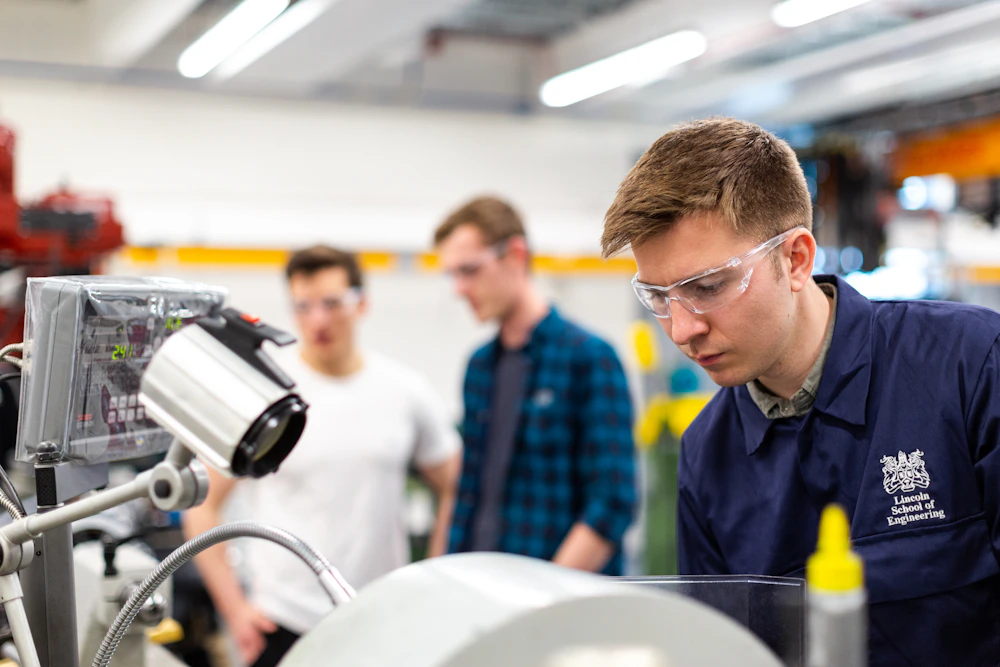
Before an operations problem becomes a chart in a conference room, there's often someone on the floor who has already noticed it. A machine needs an extra adjustment. A part takes a second attempt. A temporary workaround becomes routine.
None of those observations tells the whole story on its own. But they can be early signals worth understanding.
Make the feedback loop shorter
The best conversations between the floor and the office aren't about who is right. They're about getting the full picture quickly enough to make useful decisions.
A supervisor may see the immediate effect on production. Quality may see a trend. Maintenance may understand what changed on the equipment. Workforce may know why coverage is inconsistent. The value is in connecting those perspectives.
Ask better questions
- What changed from the normal process?
- When did the team first notice it?
- Does it happen on every shift or under specific conditions?
- What has already been tried?
- What would make tomorrow's shift easier?
Those are simple questions. Asked consistently, they can turn scattered observations into an actionable starting point.